
Global health
Supporting the Introduction of the HPV Vaccine in Ghana
The Problem
Human papillomavirus (HPV) is the leading cause of cervical cancer, a life-threatening illness which affects thousands of women in Ghana every year. In 2013, Ghana successfully piloted school-based HPV vaccination in selected areas. The government wanted to include HPV vaccination for adolescent girls as part of its routine national immunization program in 2025 and needed to understand the complex web of inter-related behavioral drivers that could help or impede a successful vaccine roll-out.
Our Solution
To learn more about the the behavioral factors contributing to HPV vaccine acceptance and uptake, and to illuminate the specific, modifiable features of the context that will be the focus of design, we conducted qualitative research. We also supported the Ghana Health Service to conduct quantitative survey research to capture nuances between different population segments to inform how designs are tailored, prioritized, and targeted in implementation, and to capture baseline indicators that can inform future monitoring and evaluation efforts as the designs are implemented and scaled. Then we worked with a wide range of local stakeholders — from health workers and teachers to caregivers and girls — to co-design behaviorally informed solutions to support vaccine uptake that reflected our research findings.
The Results
Five key insights arose from our qualitative research:
There is low awareness of HPV and cervical cancer among adolescent girls and their caregivers but a strong desire to prevent expensive diseases
Most caregivers trust vaccines for babies, but may consider vaccines for older children to be irrelevant or less effective
Caregivers are more focused on immediate risks and side effects of the vaccine given distant or unclear benefits
There is high potential for resistance if caregivers are not meaningfully engaged in roll-out efforts even if their consent is not required
There are significant hurdles of getting girls vaccinated once it is administered through facilities instead of school-based campaigns.
Using these insights, we provided recommendations to UNICEF and Ghana Health Service related to the communications campaign and health worker trainings which were also planned. Additionally, together with young girls, their parents, and other key stakeholders, we developed the following interventions:
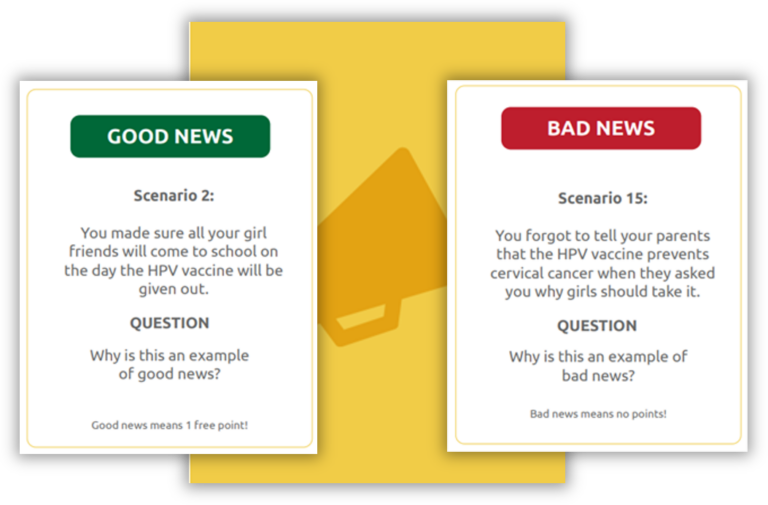
HPV Vaccine Quiz Game: An interactive alternative to traditional health education, the game builds comfort and interest in receiving the HPV vaccine while priming boys to be allies (rather than teasing girls as has happened in other settings)
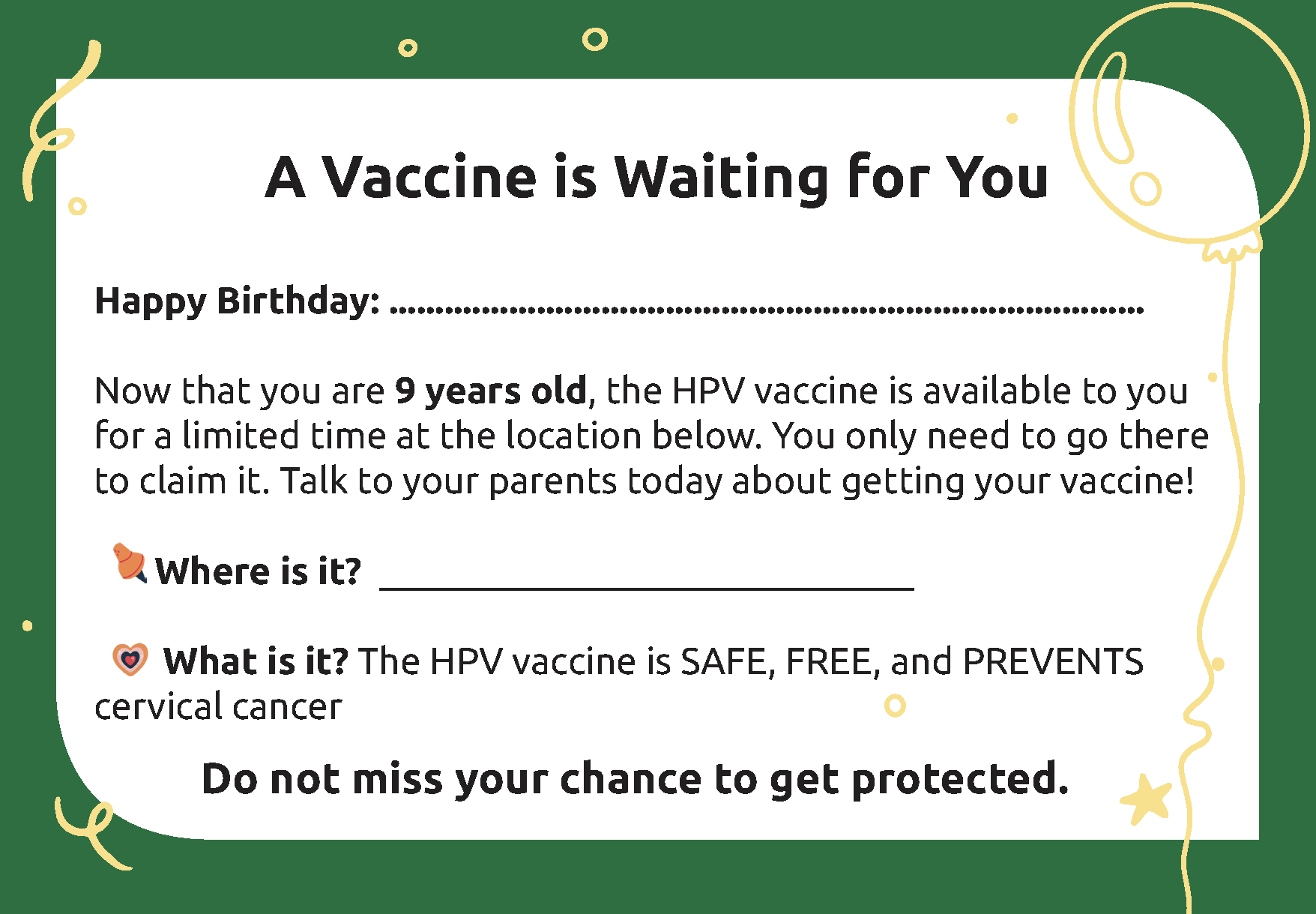
Vaccine Invitation Card: Prompts discussion with parents and encourages attendance to facilities by making girls feel that a vaccine is available just for her and all she needs to do is to receive it (based on research from a large-scale study done in the U.S.)
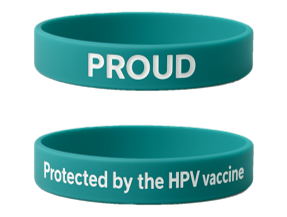
Visibility Wristbands: Wristbands for the caregiver and girl upon vaccination to increase visibility and prompt conversations among peers.
Parental Meeting: Leverages caregiver identities and builds confidence in the vaccine among parents.

Ghana Health Service launched the HPV vaccine across the country in 2025, using these solutions in the Ejisu district. It’s also incorporated these solutions in their efforts to boost the vaccine's uptake in areas that needed more follow up
A May 2026 pilot assessment found that parents from intervention schools were significantly more informed about the HPV vaccine, scored higher on measures of vaccine acceptance, perceived benefits, trust, and perceived safety, and reported a more favorable vaccination service experience than parents from comparison schools. Adolescents at intervention schools also reported a more favorable vaccination service experience and were more likely to perceive improved knowledge, increased trust and positive talk about the vaccine, and increased parental support for the vaccine since the HPV vaccine campaign.