Blog




How the Present Can Help Create Healthier Financial Futures
How cash flow underwriting uses real-time financial behavior to expand credit access, improve risk assessment, and support stronger financial outcomes.
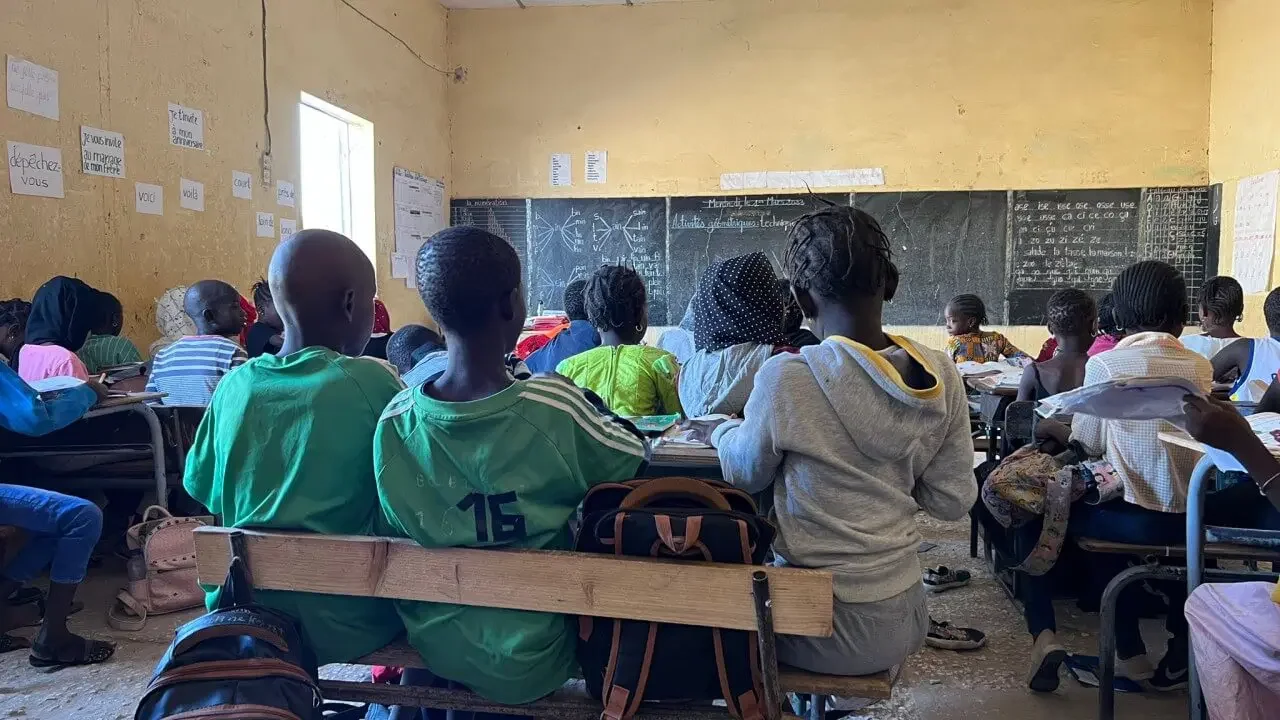
What We Learned: Applying Behavioral Science to Improve Foundational Literacy and Numeracy
Lessons from global behavioral science projects showing how small changes in teacher behavior and system design can improve literacy and numeracy outcomes.
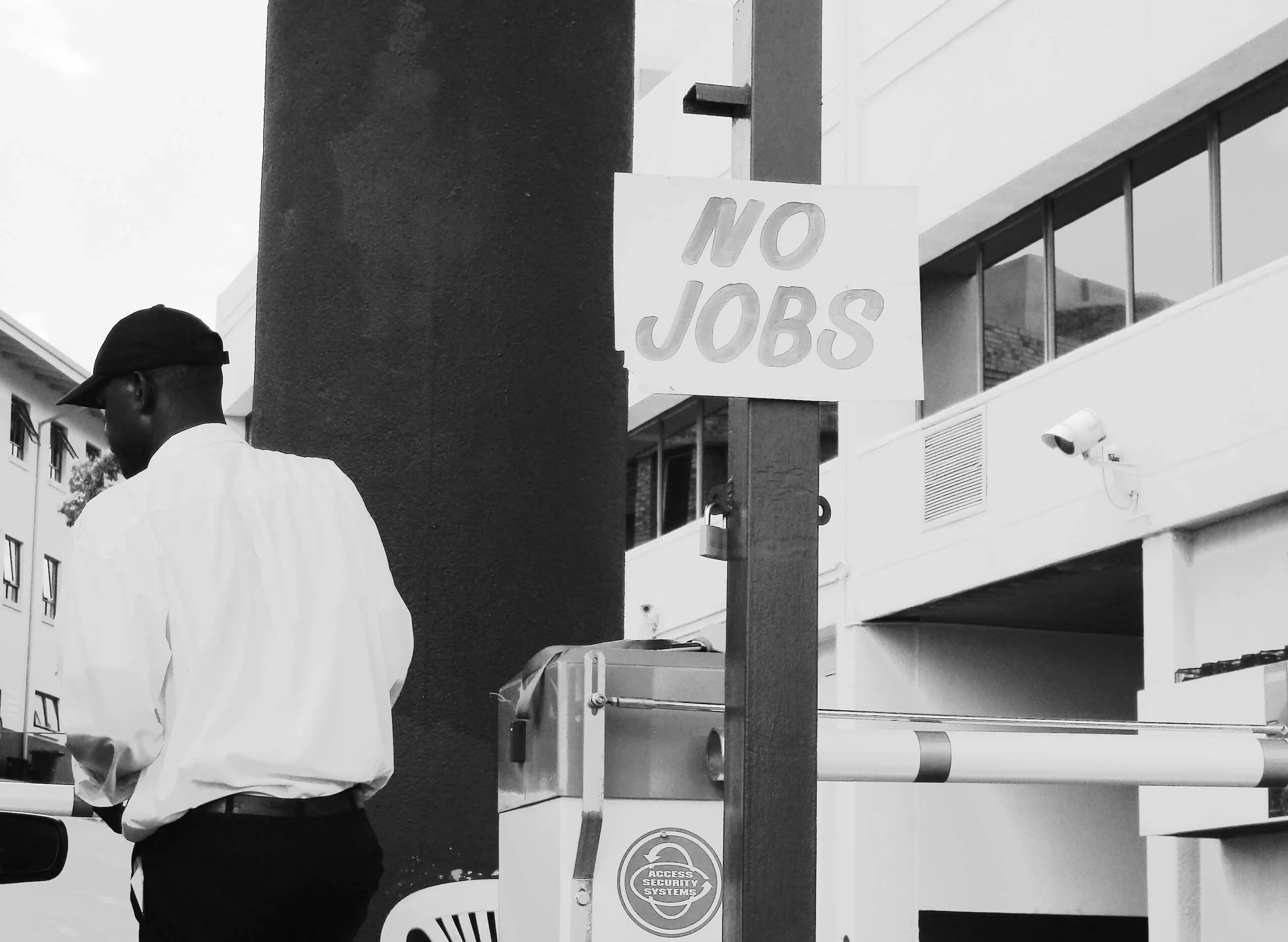
When Fear Delays the Future: Helping College Grads Land Jobs Sooner
Why many graduates delay starting their job search due to fear of failure, and how simple behavioral interventions can build confidence and help them take action sooner.

How ‘Positive Friction’ Creates Better Financial Outcomes
What positive friction means and how adding small barriers can help people make better financial decisions and improve long-term outcomes.

The Hidden Cost of Friction
Friction in our systems—such as lengthy forms, complex websites, excessive documentation, and unclear communication—wastes time, deters access, and exacerbates inequality. We all want our government and workplaces to actually work, and our lives to be easier. A behavioral approach to reducing friction can help us get there.

How a Board Game Empowers Girls in Ghana to Control Their Reproductive Futures
How a board game helps girls build confidence, challenge misconceptions, and make better decisions about reproductive health.

3 Tips for Making It Easier to Choose a Charity
How to choose the right charity to support, with 3 behavioral science tips to reduce overwhelm, set clear criteria, and make confident giving decisions.