Global Health
We design solutions that improve access and quality of care, support stronger health systems through better data use.
What We Do
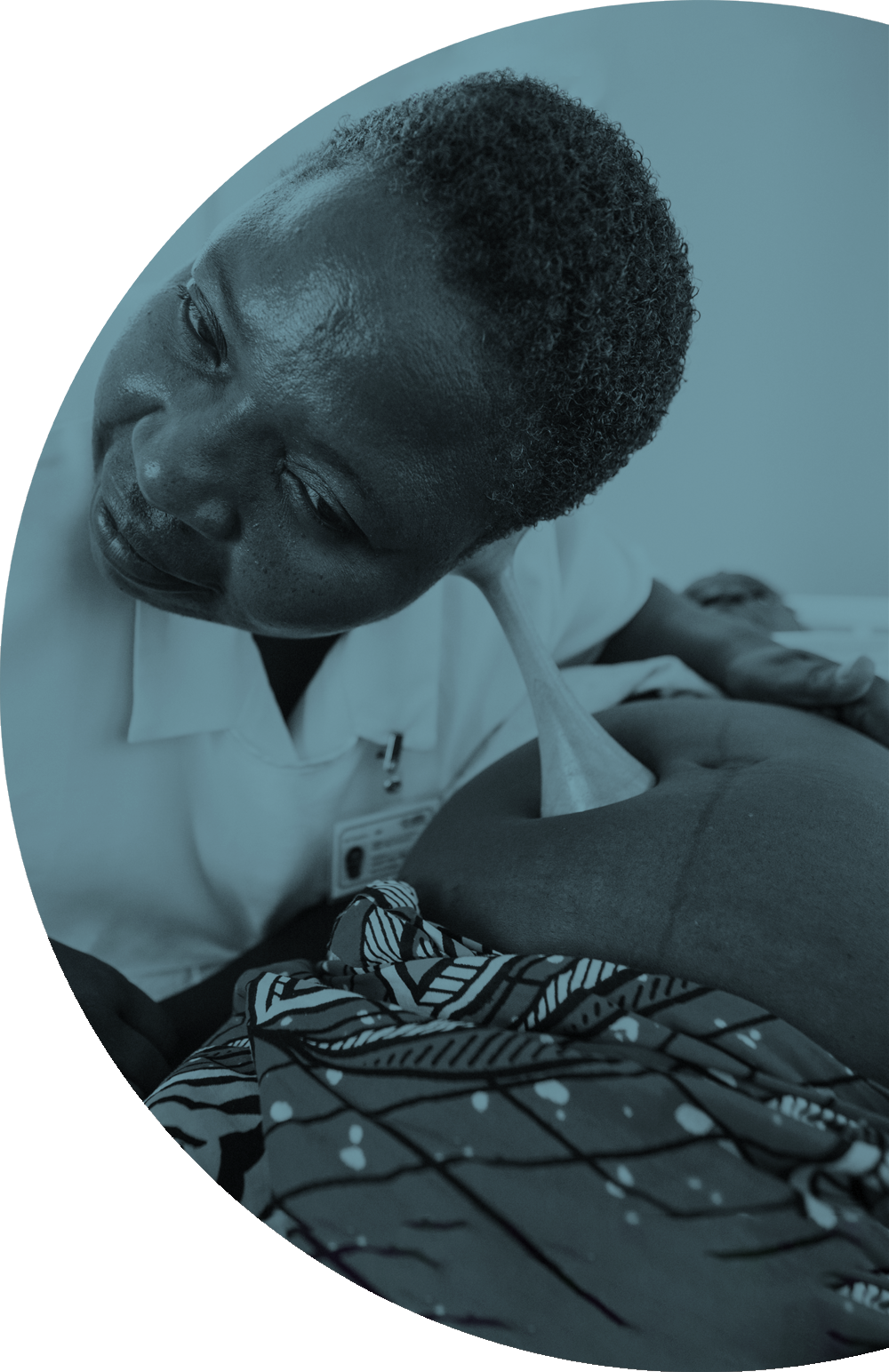
Health systems are human systems. Getting and giving good care depends on people at every level: community members deciding whether and how to seek care, health workers delivering it under real constraints, and system leaders making decisions about data, funding, and priorities.
As behavioral designers, we uncover what’s driving people’s behavior and apply proven strategies to accelerate programmatic success and improve health outcomes.
For global health, this means understanding what keeps people from seeking care that fits their goals, what makes it hard for health workers to provide quality, client-centered care, and what gets in the way of leaders making the funding, data, and policy choices that shape who can access good care.
Get this right, and health systems work better for everyone in them — from the person walking into a clinic to the person deciding what that clinic can offer.
Evidence-based designs that work

We translate training into practice by integrating cues, reminders, and feedback loops into daily routines so quality care becomes the easy default, not an added effort.

We support better upstream decisions by helping those who shape health policies and systems use data and evidence to serve communities more effectively.

We make care easier to get by redesigning outreach and services to reduce the practical and emotional hurdles that prevent people from accessing care.

We help providers deliver more respectful care by building accountability, empathy, trust, and collaboration to achieve shared goals into everyday clinical interactions.
Our Solutions
-
A 45% increase in Ugandan teenage girls using contraceptive services with a refer-a-friend and clinic welcome program. Learn more.
Nepali health centers achieved a 7 percentage point increase in post-abortion uptake of long-acting reversible contraceptives with a clinic peer-performance comparison. Learn more.
Encouraging communications between couples in Uganda around family planning through an interactive game. Learn more.
-
Increased the likelihood of facility-based childbirths in Liberia by creating tools for expectant families to plan for delivery and to help providers better support them. Learn more about the diagnosis and design for this work.
The likelihood of women in Zambia experiencing disrespect and abuse during childbirth dropped by 15 percentage points using a provider-client promise, a pain-management toolkit, and a simple feedback loop . Learn more.
Improved rural providers’ perceptions of their preparedness to prevent and manage postpartum hemorrhage in Madagascar with a custom timer to administer oxytocin, badges that assign each family member a role, and a glow-in-the-dark algorithm kit . Learn more.
-
Convergence towards 100% compliance with fever case management protocol by re-designing clinic procedure, tools, and dialogues to ensure malaria testing in Nigeria precedes consultation and other diagnoses are considered. Learn more.
Increased antenatal care attendance and adherence to malaria prevention guidelines in Côte d’Ivoire using a “Monitor My Pregnancy” checklist and certificates of completion for provider and client achievement. Learn more.
Helped Ghana’s national roll-out of the HPV vaccine for adolescent girls by creating excitement and parental support through a quiz game, a PTA meeting, and personal invites and wristband to show-off. Learn more. [LINK TO CASE STUDY I’M CREATING]
-
Guided government and civil society in the Sahel region to apply the behavioral design process in their own work through a 12-week course that included online interaction, remote coaching and in-person activities. Learn more.
Led a 20-month “Behavioral Design Bootcamp” for eight public health teams in East Africa to design a behaviorally informed solution to a reproductive health problem at their organization. Learn more.
Resources